The clue “easy peasy” looks harmless until you’re staring at a grid with a few empty boxes and no clean fit.
That’s the problem with crossword clues like this. They sound casual, but if you guess too fast, you can waste time and lock yourself into the wrong answer.
In the New York Times puzzle, this kind of clue usually points to a short, common phrase. In this article, I’ll walk through the most likely answers, how the clue is usually built, and the small tricks that make it easier to solve without overthinking it.
What “easy peasy” is really asking for
“Easy peasy” is a slangy way to say something is simple. So in crossword land, the clue is usually looking for a synonym that carries the same playful tone.
The first thing to notice is the style. If the clue is written as easy peasy, the answer often won’t be fancy or technical. It’ll be plain, familiar, and probably something you’ve seen in everyday speech.
That matters because crosswords, especially the NYT, like to hide common ideas behind informal wording. The clue isn’t asking for a dictionary definition so much as a vibe.
Most likely answer family: words meaning simple, easy, a breeze, or no trouble.
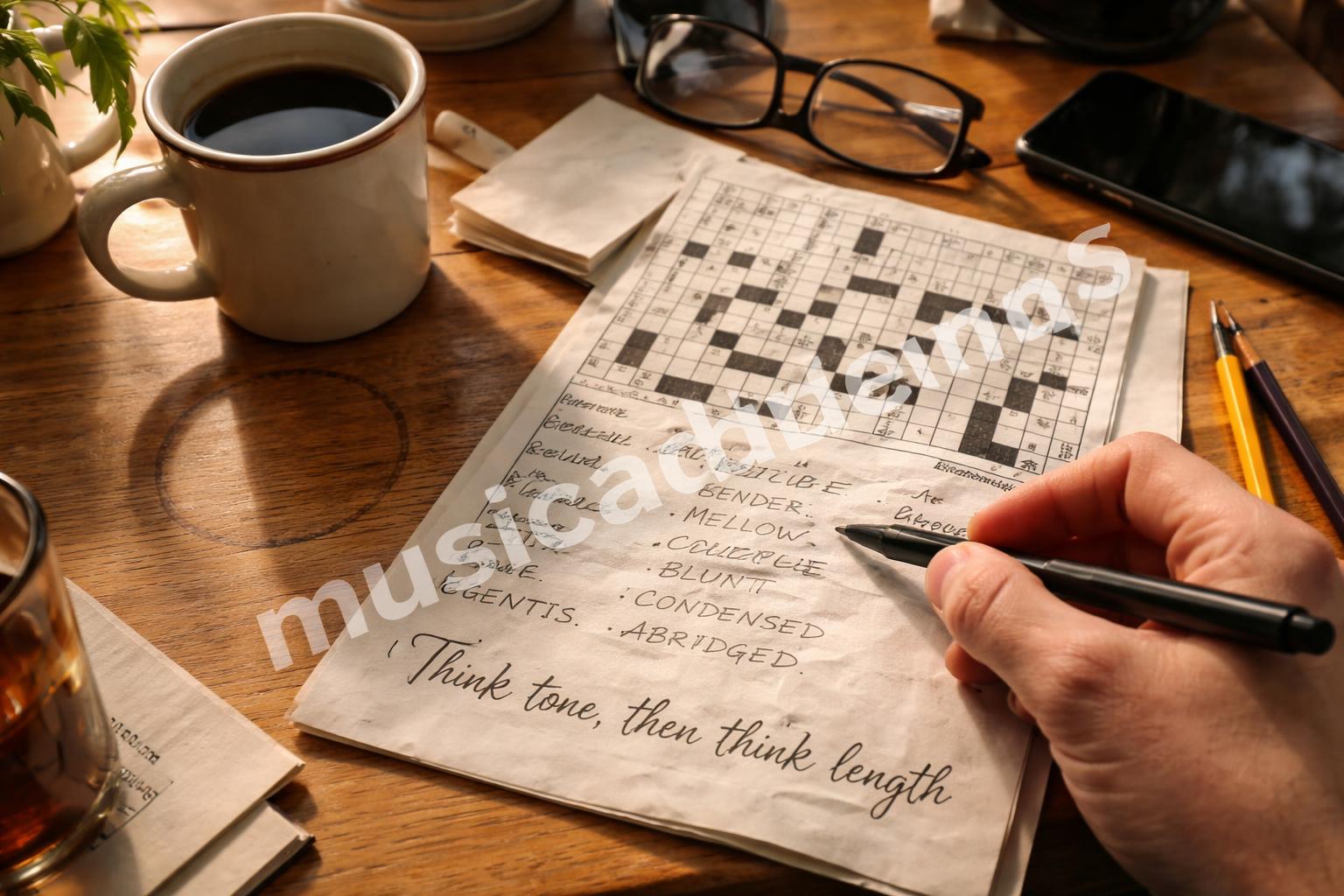
One thing I learned from solving clues like this is that the shortest answer is not always the most obvious one. A clue that feels like it should be “easy” may end up being a slang phrase, a letter count clue, or a slightly playful synonym instead.
Best possible answers for “easy peasy”
The answer depends on the number of letters and the surrounding crossings. That’s always the real test.
Here are the kinds of answers that show up most often:
- SIMPLE
- EASY
- A BREEZE
- CINCH
- SNAP
- LULL
- EASIEST
- NO SWEAT
Not every one of these will fit every puzzle, of course. But these are the words I’d try first if the grid gives you even a little help.
When the answer is short
If the clue is for a 4- or 5-letter entry, SNAP and CINCH are worth checking early.
They both mean something is easy, and they fit the casual feel of “easy peasy” better than a stiff synonym would.
When the answer is a phrase
If the answer space is longer, A BREEZE is a strong candidate.
That’s a very common crossword-style phrase for something simple, and it matches the informal tone of the clue nicely.
When the clue feels extra playful
Sometimes the puzzle wants a more conversational answer like NO SWEAT.
That’s the kind of entry that feels right when the crossing letters push away from the clean dictionary words.
Quick rule: if the clue sounds like a person talking, the answer often does too.
The crossing letters matter more than the clue
This is where most solvers slow down for no good reason.
The clue may seem obvious, but the NYT crossword often gives you several close options, and only the crossings tell you which one is right. I’ve seen people settle on SIMPLE when the grid actually wanted A BREEZE, and the error only shows up a few clues later.
That’s annoying, and it’s avoidable.
A simple way to narrow it down
Use the crossings to ask three questions:
- How long is the answer?
- Does it want one word or two?
- Does the tone feel casual or standard?
If the answer is 6 letters and the clue is informal, SIMPLE is a natural guess.
If it’s 8 letters with a space, A BREEZE starts looking better.
If you’re working with a short entry, the answer may be SNAP or CINCH, even if those don’t pop into your head first.
A small habit that helps: don’t fight the grid. If the first guess doesn’t fit the crossings cleanly, let it go fast.
Why NYT clues like this can feel trickier than they should
The phrase “easy peasy” sounds like a child’s phrase, but the crossword version can be slightly more careful than that.
The puzzle might use it as a clue for:
- a synonym
- an idiom
- a slang phrase
- a very short answer
- a slightly twisted definition
That last one is the tricky part. The NYT sometimes makes you think in a looser way than you expected. So instead of asking, “What word means easy?” it helps to ask, “What word feels like easy peasy in a crossword?”
That tiny shift usually saves time.
In practice, the clue is often more about tone than precision.
And that’s why some solvers overcomplicate it. They start looking for rare words when the puzzle probably wants a very normal one.
A few clue patterns that point to the right answer
If you want a faster way to spot the answer, look at the clue style around it.
1. Straight synonym clue
If the clue is simply easy peasy, the answer is usually a direct synonym.
Think simple, easy, or cinch.
2. Informal clue with punctuation or slang
If the clue has a playful feel, the answer may also be playful.
That’s where a breeze and no sweat become more likely.
3. Clue with a longer answer length
Longer answers usually mean phrases, not single words.
So if you see a 7- to 9-letter answer slot, start thinking in two words.
4. Clue paired with a theme
If the puzzle has a theme, the answer may be chosen to match the theme’s tone even if it isn’t the most literal synonym.
That’s one reason experienced solvers never trust the clue alone.
How I’d solve it in real time
If I were staring at this clue in a grid, I’d work it like this:
- Check the letter count.
- See whether the answer is one word or two.
- Put in the most common easy-answer candidates.
- Use crossings to kill the wrong ones quickly.
- Keep an open mind if the puzzle has a playful theme.
That sounds basic, but it works.
The mistake people make is treating every clue like it has one clean answer sitting behind it. Crossword clues don’t always work that way. They reward the answer that fits the puzzle, not just the answer that fits the sentence.
My short list to try first
If the spaces are short, I’d test these first:
- SNAP
- CINCH
- EASY
- SIMPLE
If the entry is longer, I’d move to:
- A BREEZE
- NO SWEAT
One thing I noticed over time: the more casual the clue sounds, the more likely the answer is something people actually say out loud.
Where this clue overlaps with other “rope” and “ship” style clue searches
Sometimes people land on “easy peasy” while looking for related crossword help, especially when they’re solving a larger set of clues and one answer nudges another.
That’s why clue-solver pages can be useful as backup, especially for unusual wording. A good example is this ship rope crossword clue solver with best possible matches, which shows how one clue can have several possible answers depending on length and crossings.
If you’re solving a whole puzzle, that kind of reference can keep you from getting stuck on one entry too long.
The important part is not to treat any clue solver like gospel. Use it as a guide, then let the grid confirm the answer.
Common mistakes people make with this clue
This clue looks simple enough that people often rush it. That’s usually where the trouble starts.
Guessing the first synonym that comes to mind
The first answer is often not the right one. It might be close, but not exact.
For example, easy and simple are similar, but only one may fit the entry length and the crossing pattern.
Ignoring answer length
This one sounds obvious, but I still see it happen.
If the space is too short for A BREEZE, no amount of confidence will make it fit.
Forgetting crossword tone
A clue can be casual while the answer stays clean and standard. Or the opposite can happen.
So don’t assume the answer will sound exactly like the clue.
Holding onto a wrong guess too long
That’s probably the biggest one.
If your first try breaks the crossings, move on. The puzzle usually gives you enough signals if you’re willing to let go.
A wrong but believable guess can slow the whole grid down.
A quick comparison of likely answers
Here’s a simple way to think about the main possibilities.
| Possible answer | Best fit when | Tone |
|---|---|---|
| SNAP | very short entry | casual |
| CINCH | short entry, easy synonym | casual |
| EASY | direct clue, simple fit | plain |
| SIMPLE | mid-length answer | clean |
| A BREEZE | longer phrase entry | playful |
| NO SWEAT | slangy clue, longer slot | very casual |
That’s not a full list, just the ones I’d reach for first.
If the clue is from a tough Tuesday-or-later grid, the answer may lean toward the less obvious choice. If it’s a smoother puzzle, the simplest answer is often the right one.
Why this clue is a good reminder to think in layers
Crosswords are weirdly good at teaching patience.
A clue like easy peasy looks like it should be instant, but the grid asks for more than a dictionary answer. It asks for the right answer in the right shape.
That means you’re balancing three things at once:
- meaning
- tone
- letter count
Once you start thinking that way, clues like this get easier fast. And honestly, that’s the whole game.
Small habit that helps
When a clue feels too obvious, pause for five seconds.
That pause often saves you from the classic mistake of writing in the first fitting word and hoping for the best.
A few trusted places to check when crossword clues get fuzzy
Sometimes clue solving isn’t just about the answer itself. It’s about checking how the clue is being used, especially when a phrase can work in different ways.
For broader language questions, the Merriam-Webster dictionary entry for “easy” is useful because it shows the plain, everyday meanings that crossword constructors like to pull from.
If you want to understand the style of the puzzle itself, the New York Times Games crossword page is the best place to keep in mind, since clue style can shift a little depending on the day and the constructor.
And when a clue uses an idiom or phrase instead of a single word, looking at a good reference for wording can help you spot the exact shape the grid wants.
Final take on “easy peasy”
If you see easy peasy in an NYT crossword, don’t overwork it.
Start with the plain answers, check the crossings, and let the grid tell you whether you need a short word or a phrase. Most of the time, the right answer is simpler than you want it to be.
That’s the funny part of crosswords. The clues that look easiest are sometimes the ones that punish impatience the most.
And when you get one of these right, it feels a little too easy. Which, I guess, is exactly the point.
Save This Guide on Pinterest
Save this image to Pinterest so you can easily return to this guide later.