That little clue, “in the know,” can stall a crossword fast.
It looks simple, but if you treat it too literally, you can burn time on the wrong answers and end up with a half-filled grid. The good news is that this clue usually points to a small cluster of common words, and once you know the patterns, it gets a lot easier to spot the right one.
In this article, I’ll break down what crossword setters usually mean by “in the know,” how the clue shifts depending on length, and how to rule out bad matches without overthinking it. I’ll also show a few related clue types, because the same solving habits help with things like passover month crossword clue explained and other short clue phrases that seem vague at first.
What “in the know” usually means
Crossword clues love plain language that hides a short answer.
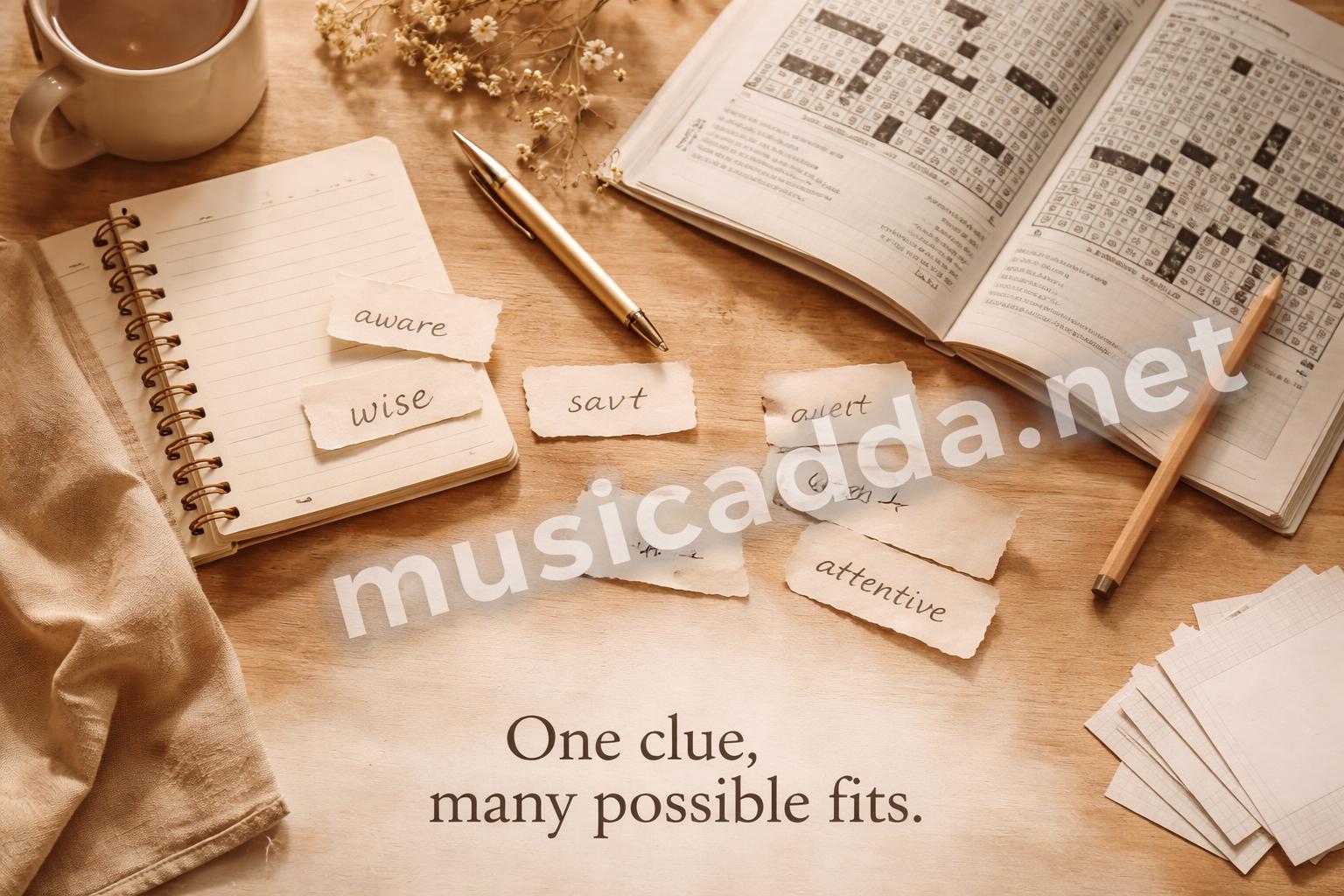
“In the know” usually means informed, aware, savvy, or wise to something. The clue is often asking for a synonym, not a phrase you’d say out loud in conversation.

That’s the first thing to remember: crossword answers are often cleaner than the clue wording. So instead of chasing a whole sentence, think of the shortest word that means “aware,” “clued in,” or “up to speed.”
Most of the time, the answer is one of these:
- aware
- wise
- savvy
- onto
- informed
- tipped off
- hip
The exact answer depends on the number of letters and the tone of the puzzle. That part matters more than people think.
The length of the answer changes everything
I’ve seen people lock onto the right meaning and still miss the answer because they ignored the letter count.
That’s a common mistake. Crossword setters use the same idea in different lengths, and the answer space is often the only real clue you get.
Here’s a quick way to think about it:
| Letter count | Likely answers | Notes |
|---|---|---|
| 3 | hip | More common in casual-style puzzles |
| 4 | wise, onto | Very frequent for “in the know” |
| 5 | aware, savvy | Strong everyday matches |
| 6+ | informed, educated | Less likely unless the clue is longer or more specific |
Short answers are usually the safest place to start. If the grid gives you four letters, “wise” and “onto” jump to the top of the list right away.
And if the puzzle has cross letters already, they’ll usually narrow it down fast. That’s one of those tiny habits that saves a lot of guesswork.
The clue can be more literal or more slangy
“In the know” is one of those clues that can feel formal or casual depending on the constructor.
Sometimes it means simply aware or informed. Other times it leans into slang, where hip or savvy fits better. You’ll notice the style of the puzzle matters here.
A crossword in a daily newspaper often prefers a familiar, straightforward synonym.
A more playful puzzle might lean on a word like hip, because it has a slightly old-school, conversational feel.
One thing I learned the hard way: a clue’s mood matters almost as much as its meaning. If the surrounding answers feel modern and conversational, “savvy” is more likely than something stiff like “cognizant.”
Best ways to solve it fast
When I run into a clue like this, I don’t try to outsmart it.
I do a quick checklist instead.
- Count the letters.
- Look at the crossing letters.
- Try the plain synonym first.
- Check if the clue wants slang or formal wording.
- Test the answer in the grid.
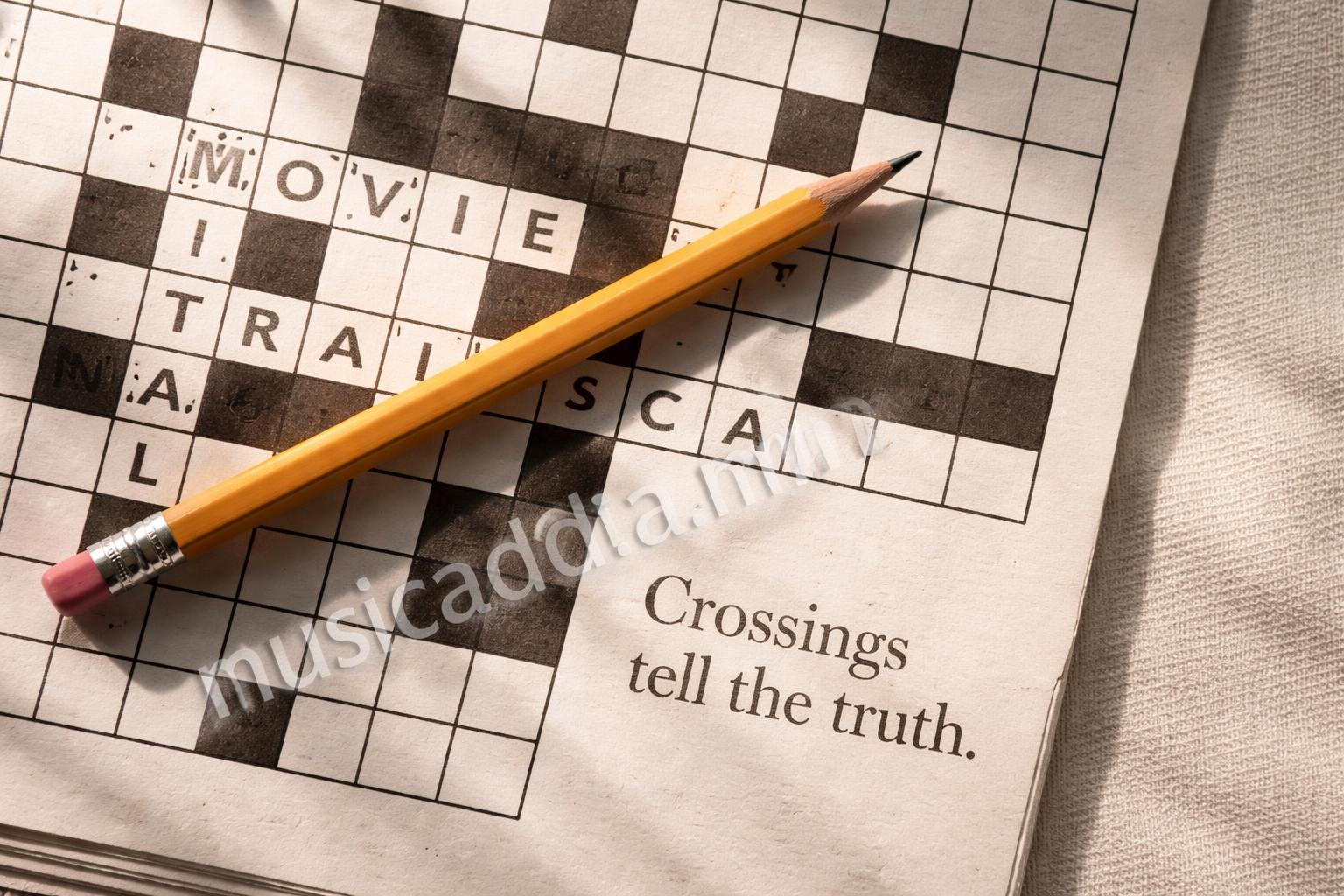
That last step sounds obvious, but it helps more than you’d think. A word can look perfect in your head and still fail once you place it in the grid.
Always trust the crossings more than the guess in your head. If two or three letters are already fixed, the answer usually starts to reveal itself.
Common answers you should keep in mind
If you solve crosswords often, these are the answers worth filing away.
AWARE
This is one of the cleanest matches.
It means someone knows something, notices something, or is conscious of a fact. If the clue is straightforward and the answer length fits, aware is a strong possibility.
WISE
This is a very common crossword answer.
It can mean knowledgeable, tuned in, or not easily fooled. In clue-land, wise often works as “in the know” in a compact way.
ONTO
This one surprises people sometimes.
“In the know” can point to onto when the clue means someone has figured something out or is on track. It’s not the same as “aware” in everyday speech, but it works neatly in a grid.
SAVVY
This one has a little more personality.
It can mean street-smart, perceptive, or culturally aware. If the puzzle has a slightly modern tone, savvy can fit beautifully.
HIP
This is the slangiest of the bunch.
It’s short, old-school, and very crossword-friendly. If the clue is only three letters, this is one of the first answers to test.
The small wrinkle here is that some clues sound like they want a noun, but they’re actually asking for an adjective. That’s normal. Crosswords do that all the time.
Why “in the know” can be tricky
The phrase itself is familiar, but the answer is often not.
That’s because crosswords don’t always reward the most natural interpretation. They reward the shortest usable synonym that fits the letters.
So the clue may look like it wants a phrase such as “well informed,” but the actual answer might just be wise.
That mismatch catches a lot of solvers.
The practical problem is simple: you see the clue, your brain supplies a common phrase, and then you waste time trying to make that whole phrase fit a tiny space. When that happens, step back and reduce the clue to its core meaning.
For this clue, the core meaning is usually just:
- informed
- aware
- clever
- connected
- up to date
That’s the real target.
A few clue patterns that behave the same way
Once you learn how “in the know” works, you start spotting similar clue behavior everywhere.
For example, clues like retinue crossword clue explained often look like they want something grand or formal, but the answer is usually a simple synonym hiding in plain sight. You can see that style of clue breakdown in this guide to retinue crossword clue explained.
That’s a good reminder that crossword clues often work by tone, not just dictionary meaning.
Here are some clue types that act a lot like “in the know”:
- short synonym clues
- slang-to-formal translation clues
- wordplay disguised as plain language
- answers that seem too simple to be right
And honestly, the simplest answer is often the one people skip.
When the answer is not obvious, use the grid
Sometimes the clue itself won’t be enough.
That’s when the crossings do the heavy lifting. If you have one or two letters, you can eliminate a bunch of possibilities quickly.
For example:
- W _ S E strongly suggests wise
- A W A _ E points to aware
- _ O N T O can lead to onto
- _ I P may be hip
A lot of solvers wait too long before using this trick. I’ve done it too. You stare at the clue, feel stuck, and forget that the puzzle is already giving you clues through the surrounding squares.
The grid is part of the clue.
Common mistakes people make with this clue
There are a few repeat offenders here.
Thinking too literally
“In the know” sounds like a phrase, so some people hunt for a phrase answer. That usually goes nowhere.
Ignoring letter count
If you don’t match the length first, you can waste a lot of time on almost-right words.
Forgetting slang
Hip and savvy are both fair game. Crossword language is looser than everyday speech.
Overcomplicating the meaning
The clue usually isn’t deeper than “aware” or “informed.” It’s just dressed up a little.
That’s completely normal. Crossword clues love to look broader than they are.
How I’d solve it in real time
If I saw “in the know” in a puzzle, I’d handle it like this:
- Check the letter count.
- Try wise, aware, or onto.
- Use any crossing letters to cut the list down.
- If it’s a short answer, test hip or savvy.
- Pick the word that fits the grid best, not just the one that sounds nicest.

That process sounds basic, but it’s reliable.
And once you’ve solved a few clues this way, you stop panicking when a clue feels vague. Instead of treating vagueness as a problem, you treat it as a sign to check the pattern.
A quick note on related clue searches
People often search one clue and then end up needing a few more.
That happens especially with clues that feel like common phrases. If you’re working through a puzzle and one answer is already giving you trouble, it can help to compare it with similar clue breakdowns, like ship rope crossword clue solver: best possible matches. Different words, same solving mindset.
I think that’s why crossword solving gets easier over time. You stop memorizing answers and start recognizing the way clues behave.
Final thought
“In the know” is one of those crossword clues that looks casual but hides a very ordinary synonym underneath.
Once you remember that, it stops being a trap. Check the length, trust the crossings, and keep aware, wise, onto, savvy, and hip in your back pocket. That’s usually enough to get you moving again.
And if you get stuck for a minute, that’s fine. This clue is built to slow you down a little. That’s part of the fun.
Save This Guide on Pinterest
Save this image to Pinterest so you can easily return to this guide later.