The “teach a man to fish” quote gets repeated so often that people stop hearing what it’s really saying. It sounds simple, but if you treat it like a cute line instead of a real idea, you miss the part that matters most: lasting help usually looks different from quick help.
That matters in work, family, money, and even relationships. A one-time fix can feel generous, but if the problem comes back next week, you’re right back where you started.
In this article, I’ll break down what the quote actually means, where people use it badly, and how to apply it without sounding cold or preachy.
What the quote is really saying
At its core, “Give a man a fish, and you feed him for a day. Teach a man to fish, and you feed him for a lifetime” is about building ability instead of creating dependence.
The first half is short-term help. The second half is long-term change.
That’s the simple version, but there’s a little more under the surface. The quote isn’t only about fishing. It’s about giving someone a skill, a tool, or a way of thinking that keeps working after you leave.

People usually bring this quote up when they want to talk about training, education, or self-reliance. Sometimes they use it in a very practical way, like teaching someone to budget instead of lending them money over and over. Other times it shows up in a team setting, where someone would rather explain the process than keep fixing the same mistake every month.
One thing I learned is that people often use this quote too aggressively. They say it when they really mean, “Don’t ask me for help.” That’s not quite the same thing.
Why it sticks with people
This quote lasts because it taps into something most of us recognize right away: quick help feels good, but skills change the future.
That’s why it works in so many settings. A parent uses it when teaching a kid to tie shoes. A manager uses it when onboarding a new hire. A friend uses it when helping someone learn to cook, save, repair, or plan.
The quote also has a calm kind of authority. It doesn’t shout. It just reminds you that short-term relief and long-term growth are not the same thing.
A quick way to think about it
- Giving a fish = immediate relief
- Teaching fishing = future independence
- Doing both well = the smartest approach in many cases
That last part matters. The quote can be useful, but it shouldn’t become an excuse to skip compassion. Sometimes a person truly needs food, cash, time, or a hand today. Teaching them later is important, but not at the expense of ignoring what’s urgent right now.
When people use it well
The best use of this quote is when a problem keeps repeating and the fix never lasts.
That might be a teen who keeps struggling with homework because no one showed them a system. It might be an employee who keeps making the same mistake because nobody explained the process clearly. It might even be someone who’s always helping a friend but never teaching them how to stand on their own.
That’s where the quote makes sense. It points to the real problem, which is often not effort but lack of know-how.
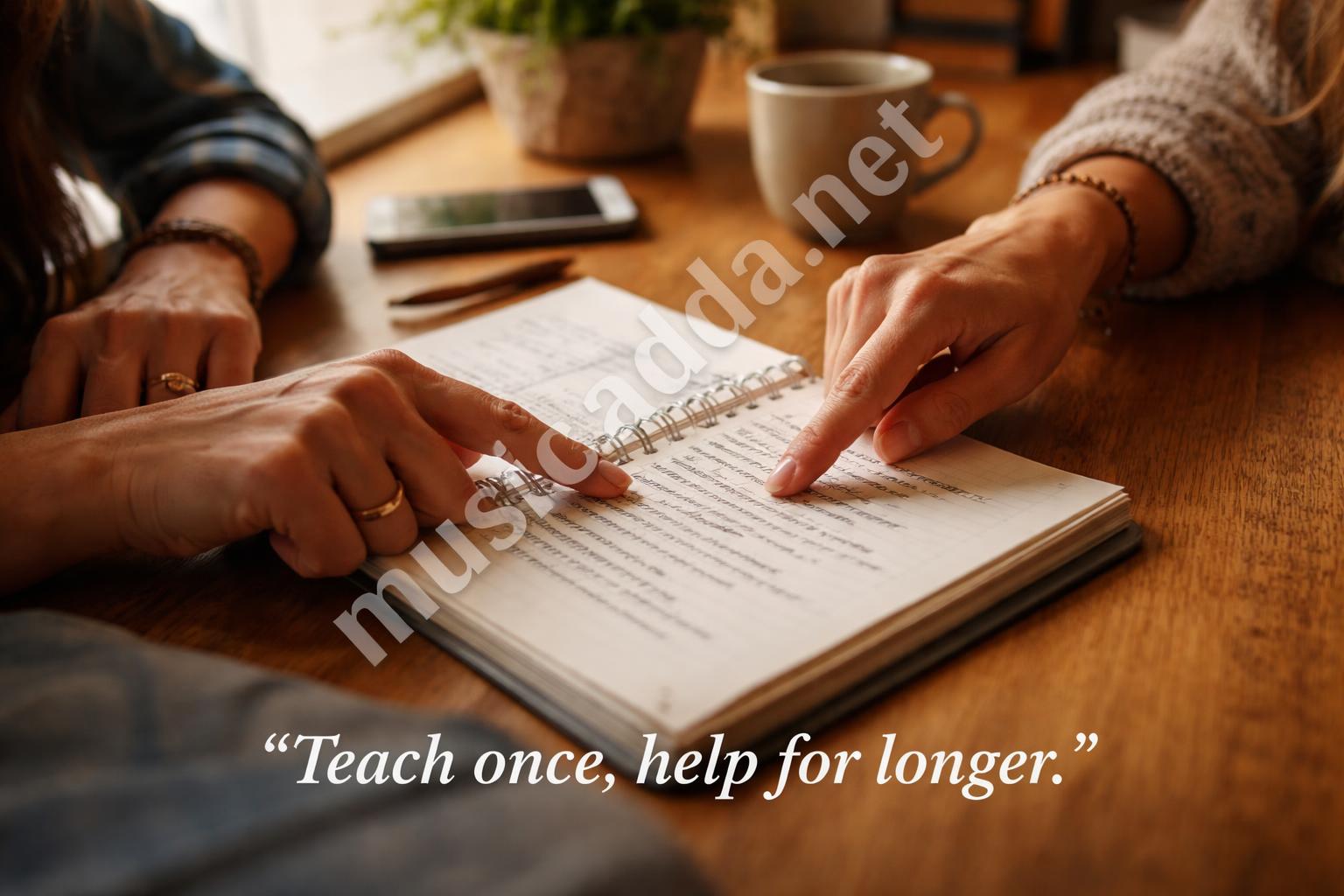
I’ve noticed this in small everyday situations too. If you always do the task for someone, they may appreciate it, but they usually don’t grow from it. If you slow down, explain it once, and let them try, the result may be messy at first, but it usually lasts longer.
That’s the annoying part, honestly. Teaching takes more time in the moment. But it saves time later.
The quote has a softer side than people think
A lot of people hear the quote and think it’s all about toughness or self-reliance. But that’s not the only reading.
It can also mean respecting someone enough to help them grow.
Teaching someone to fish says, “I believe you can do this.” That’s different from pity. It’s also different from control. Instead of keeping the solution in your own hands, you hand over knowledge.
That’s a big shift.
In parenting, that can mean letting a child do a task badly before they do it well. In a workplace, it can mean training people instead of keeping information locked up. In friendship, it can mean giving useful advice instead of just rescuing someone every time.
What this looks like in real life
- Showing someone how to fill out forms, not just doing it for them
- Teaching a friend how to compare prices instead of covering every bill
- Helping someone learn a skill so they don’t stay stuck
- Explaining the reason behind a process, not just the steps
The quote works best when the goal is growth, not convenience.
Where the quote can go wrong
This is the part people skip. The quote can sound wise while being used in a pretty harsh way.
Sometimes it gets thrown around to avoid responsibility. Someone says, “I taught you once, now figure it out,” when the real issue is that the teaching wasn’t clear or complete. Other times it becomes a way to judge people who need help right now.
That’s not the spirit of the quote, at least not in a healthy reading.
A person can be hungry and still be capable of learning. Both things can be true.
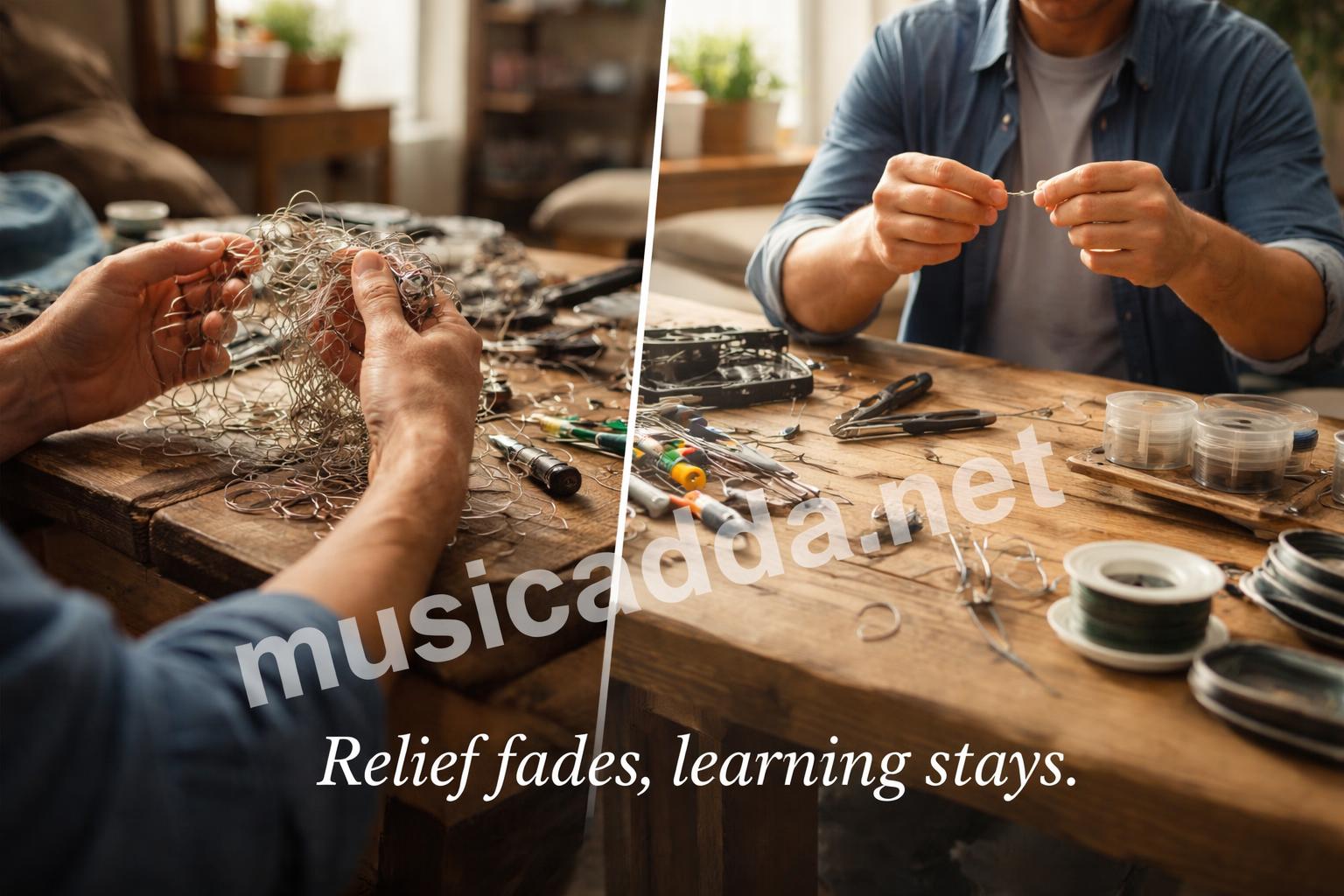
There’s also a practical problem with assuming everyone has the same starting point. Not everyone has access to a pond, time, tools, health, or even the mental space to learn something new right away. So if you use the quote in a real-world setting, you have to be honest about the conditions.
A good teacher doesn’t just say, “Fish.” They make the lesson possible.
What it means in work and leadership
This quote shows up a lot in offices, teams, and leadership advice because it fits those settings well.
A manager who constantly fixes every issue creates dependence. A manager who trains people to solve problems creates a stronger team. That doesn’t mean abandoning people. It means building trust through skill.
Harvard Business Review’s leadership insights often circle around the same idea in different language: good leadership multiplies capability instead of bottlenecking everything at the top.
That’s the real consequence of the quote in a work setting. If only one person knows how things work, the whole system stays fragile. If knowledge gets shared, the work gets easier for everyone.
A simple leadership rule
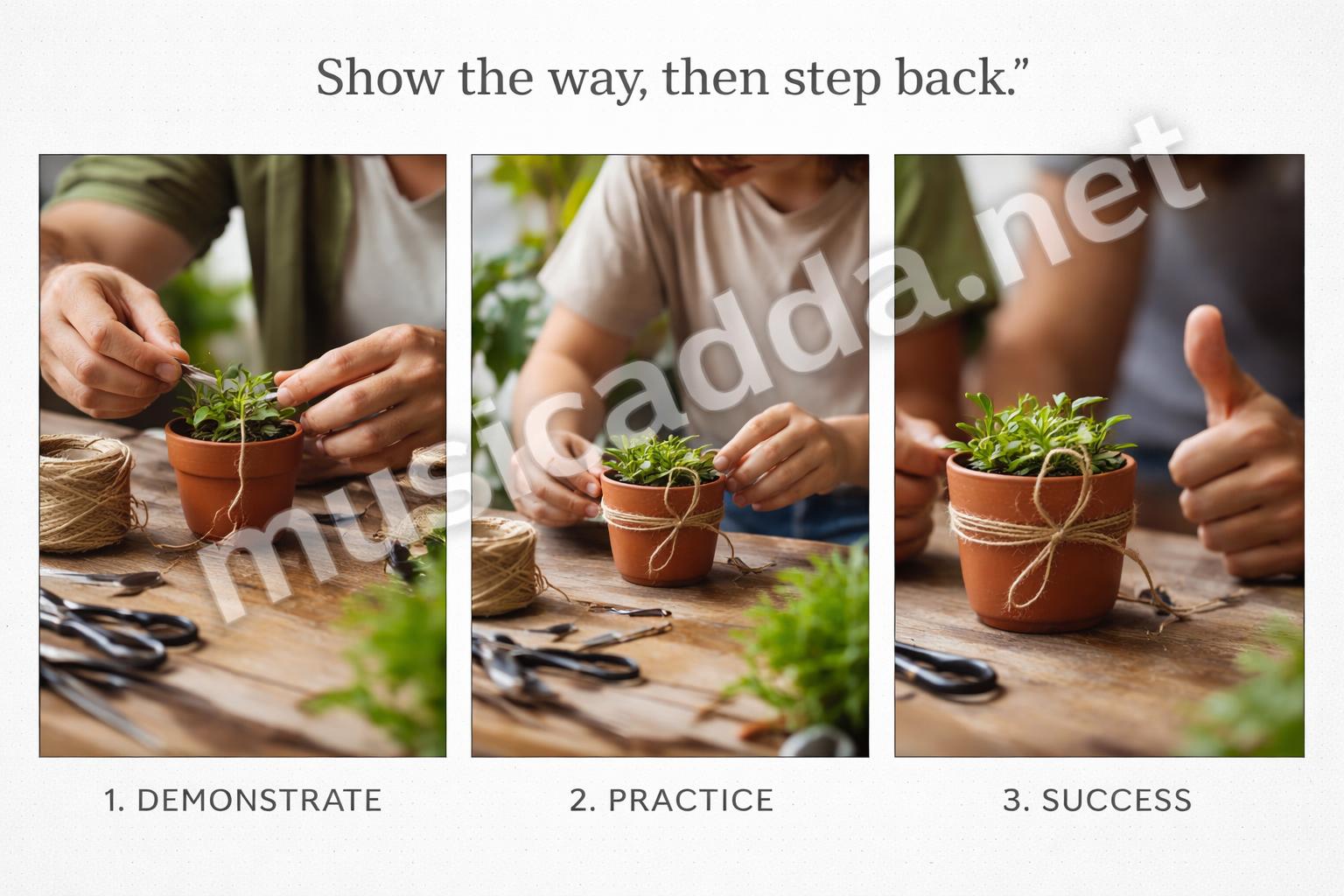
- Show the task.
- Explain the reason.
- Let the person try.
- Correct the mistakes.
- Step back when they’re ready.
That’s slower at first. But it usually beats endless hand-holding.
It also applies to money
People don’t always say this part out loud, but the quote fits money problems too.
If someone keeps borrowing because they don’t know how to budget, the short-term fix may help for a week and then the cycle starts again. Teaching a basic system for spending, saving, and planning can be more useful than another temporary rescue.
Of course, money is messy. Sometimes the issue is not knowledge but low income, debt, medical bills, or bad timing. So the quote should never be used like a magic answer.
The better version is: help in the short term when needed, but also build the skill or structure that prevents the same crisis from repeating.
One small detail people overlook is that financial advice only works when it fits the person’s life. A plan that sounds smart on paper can fail if it ignores rent, childcare, or unstable work. That’s why practical help matters so much.
The quote in relationships and family life
This quote can be surprisingly useful at home.
A partner who keeps reminding, fixing, rescuing, or organizing everything may be carrying too much. A healthier approach is often teaching, sharing, and trusting. The same goes for family life. If one person always handles every detail, everyone else stays stuck in the passenger seat.

But this is where tone matters. If you use the quote to shame people, it backfires fast. Nobody likes being made to feel incompetent.
The better approach is quiet and practical. Show the way once. Let them try. Stay nearby if they need help. That balance takes patience, and honestly, it’s harder than just doing it yourself.
I think that’s why the quote gets respected so much but followed less often. Teaching takes time, and most people are busy. Still, the payoff is real.
A few modern ways to read the quote
The quote is old-fashioned in wording, but the idea still fits modern life.
Here are a few ways people might say it today:
- Don’t just solve the problem. Show the method.
- Don’t create a habit of dependence. Build skill.
- Fix today’s issue, but also prevent tomorrow’s repeat.
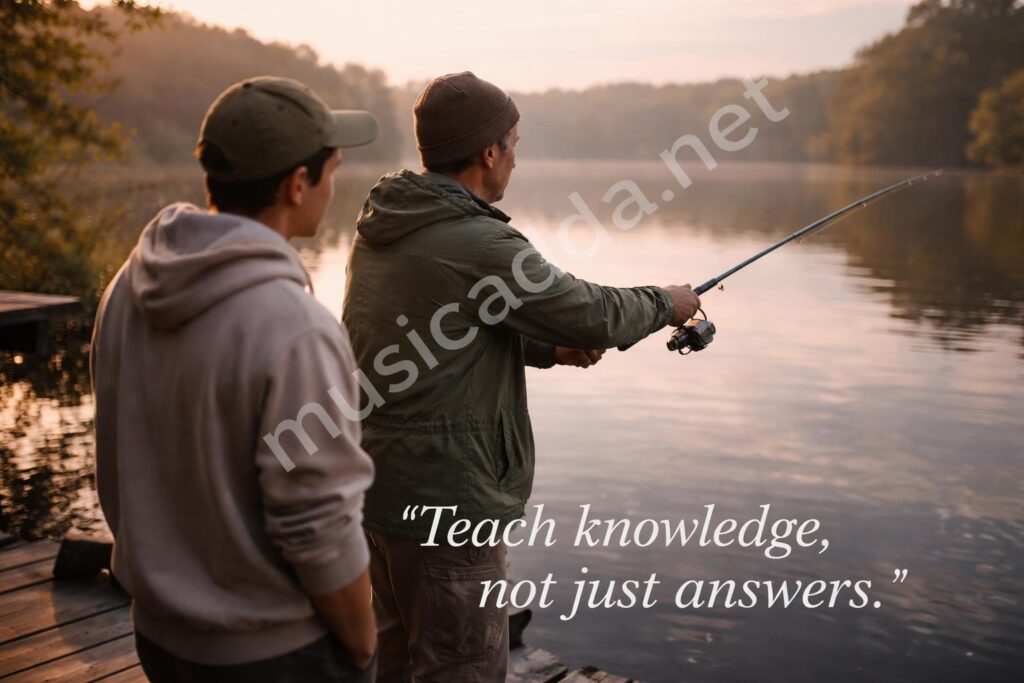
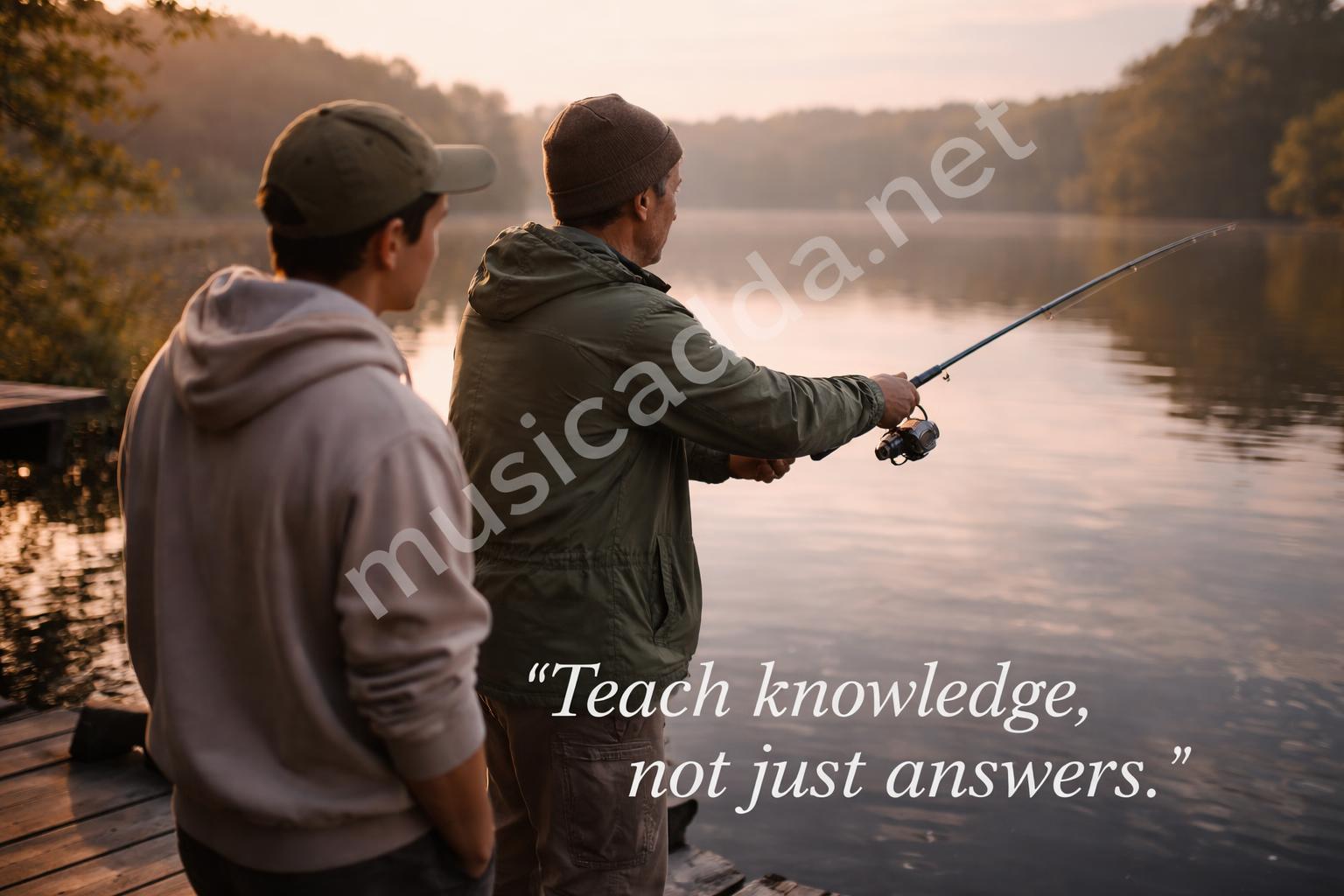
- Share knowledge, not just answers.
Those versions sound less poetic, but they get at the same point. And in daily life, plain language is often more useful anyway.
Related cultural echoes
A lot of songs, stories, and personal-growth lines circle around the same lesson: people want rescue, but they also want direction. That’s why this quote feels so familiar even when it’s not said directly.
You see the same emotional idea in the darker meaning behind “Pumped Up Kicks”, where the surface meaning hides something bigger underneath. Different topic, same reminder: the obvious version isn’t always the real one.
You can also hear a similar feeling in Noah Kahan’s “You’re Gonna Go Far” meaning explained, where encouragement isn’t just comfort. It’s about growth, separation, and learning to move forward.
That’s why this quote keeps surviving. It carries the same basic message in different forms: the best help changes what happens next.
How to use the idea without sounding cheesy
If you want to use the quote in real life, the trick is not saying it louder. The trick is using it better.
Here’s a simple way to remember it:
Ask yourself whether the person needs relief, instruction, or both.
- If they’re in immediate trouble, help first.
- If they keep repeating the same problem, teach next.
- If they can learn, give them a chance to do it themselves.
- If they’re overwhelmed, break the lesson into smaller steps.
That approach feels more human than dropping the quote like a verdict.
A small warning here: if you only teach and never help, you can come across as cold. If you only help and never teach, you may keep both of you stuck. The sweet spot is usually somewhere in the middle.
The quote’s biggest lesson
The biggest lesson behind “teach a man to fish” is that helping someone once and helping them grow are not the same thing.
That sounds obvious, but people mix them up all the time. We all want fast fixes. We all like the feeling of being useful. But the deeper win is when your help leaves someone stronger than they were before.
Sometimes that means teaching a real skill. Sometimes it means showing a better habit. Sometimes it just means explaining something clearly enough that the person can take over.
And sometimes it means helping now, teaching later.
That’s probably the most honest version of the quote. Not neat. Not smug. Just practical.
Final thought
I think the reason this quote has lasted so long is that it keeps asking the same uncomfortable question: are we helping to solve one moment, or helping to change what happens after it?
That’s a good question to sit with. If you can do both, even better.

Save This Guide on Pinterest
Save this image to Pinterest so you can easily return to this guide later.