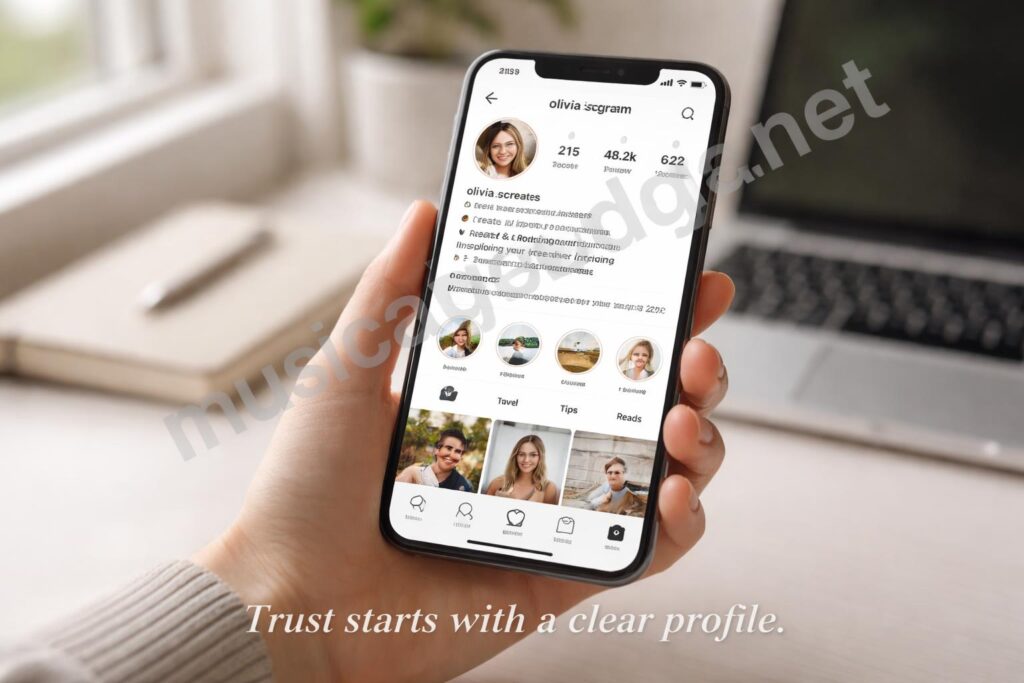
Getting verified on Instagram sounds simple until you actually try it. Then you hit confusing rules, mixed advice, and a lot of people promising shortcuts that don’t really exist. If you ignore the real process, you can waste months polishing the wrong parts of your profile and still get denied.
The good news is that Instagram verification is less about tricks and more about trust. In this guide, I’ll walk through what matters, what usually hurts your chances, and how to build a profile that looks legit enough to pass a real review.
What Instagram verification really means
The blue check is not a reward for being popular. It’s Instagram’s way of saying your account is the real one for a public figure, brand, creator, or organization.
That matters because Instagram looks for authenticity, uniqueness, completeness, and notability. Those are the signals I’d focus on first, not follower count alone.
Most people don’t realize the check isn’t just about looking “big.” It’s about whether your account is easy to identify, easy to trust, and easy to verify against public information.
The four things Instagram seems to care about most
- Authentic: the account should belong to a real person or business.
- Unique: one account per person or brand, with some exceptions.
- Complete: public profile, bio, photo, and active posting history.
- Notable: the name should show up in credible sources outside Instagram.
That last one is where a lot of applications fall apart. If you’re trying to get verified and nobody can find reliable coverage about you or your brand, Instagram has less reason to approve the badge.
One thing I’ve noticed is that people over-focus on follower size and under-focus on public footprint. That’s usually backward.
Before you apply, make your profile easier to trust
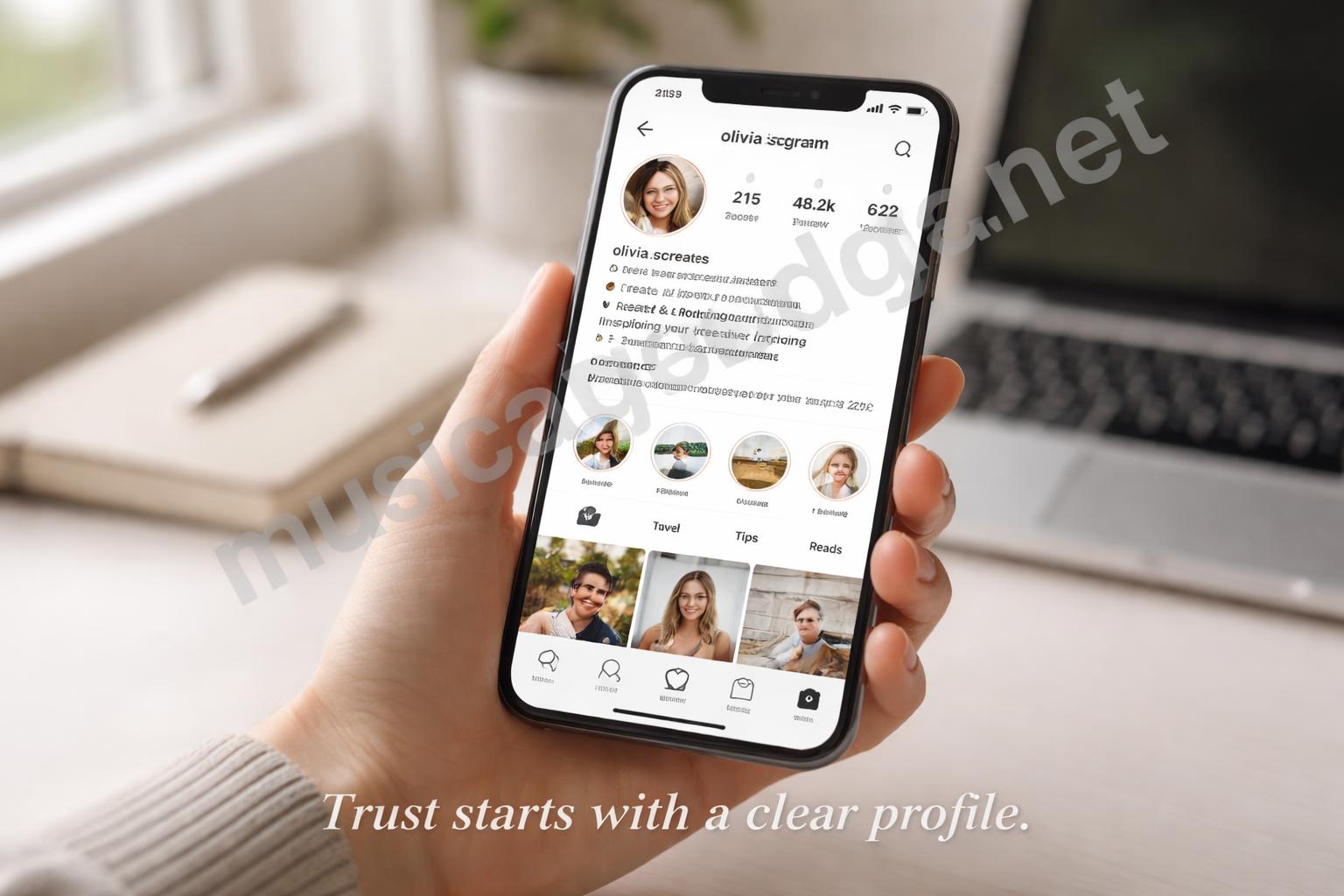
If your profile looks unfinished, verification gets harder. I’d clean this up first, because it’s the easiest part to control.
Use a clear profile photo. If it’s a personal account, make sure your face is visible. If it’s a brand, use a simple logo that reads well on a small screen.
Then tighten up the bio. Keep it specific and consistent with your public identity. Your username, display name, and bio should all point to the same person or business.
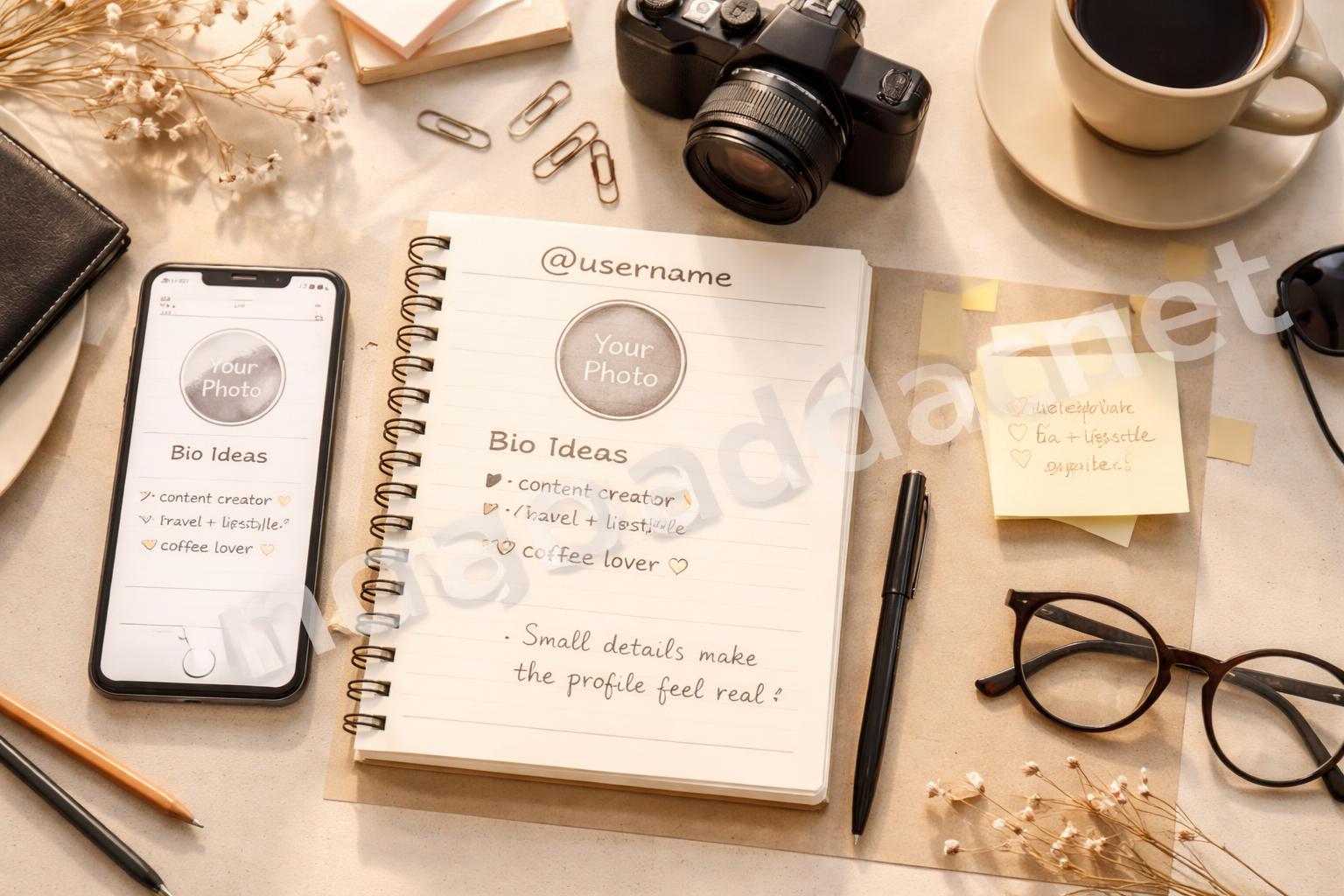
Quick profile checklist
- Public account
- Real name or brand name
- Profile photo that matches your identity
- Bio that explains who you are
- At least a few posts already live
- No weird gaps between Instagram name and outside sources
I also think your Highlights matter more than people admit. A messy profile can make you look unfinished, even if your content is strong. If you want that part to look more polished, this guide on how to make Instagram Highlight covers that look professionally designed is a useful place to start.
Build the kind of public presence Instagram can verify
This is the part people try to rush. But verification usually depends on evidence that you’re notable beyond your own feed.
For creators, that can mean mentions in articles, interviews, podcast features, event pages, or other credible references. For businesses, it may mean press coverage, listings, or an official website that clearly matches the Instagram account.
Instagram says it reviews notability using multiple sources, and it helps to understand that directly from Instagram’s own verification help page. That’s the closest thing to a real rulebook, and it’s better than random advice on social media.
Stronger signals than follower count
- Press coverage from real publications
- Mentions on official websites
- Search results that point to you
- Consistent branding across platforms
- Public-facing work that people can confirm
A small but important detail: don’t try to fake this by buying fake press or sketchy mentions. That usually creates a weird paper trail, and it’s not worth the risk. I’ve seen people think they “added credibility” when they actually made their profile look less trustworthy.
How to apply for verification inside Instagram
Once your profile is clean and your public presence is easier to find, apply through Instagram’s settings.
The process is straightforward, but the details matter. You’ll usually need your full name, category, and a form of ID or business documents that match the account identity.
Here’s the simple version:
- Open Instagram settings.
- Go to the account verification request area.
- Fill in your account details carefully.
- Upload the documents Instagram asks for.
- Submit and wait.
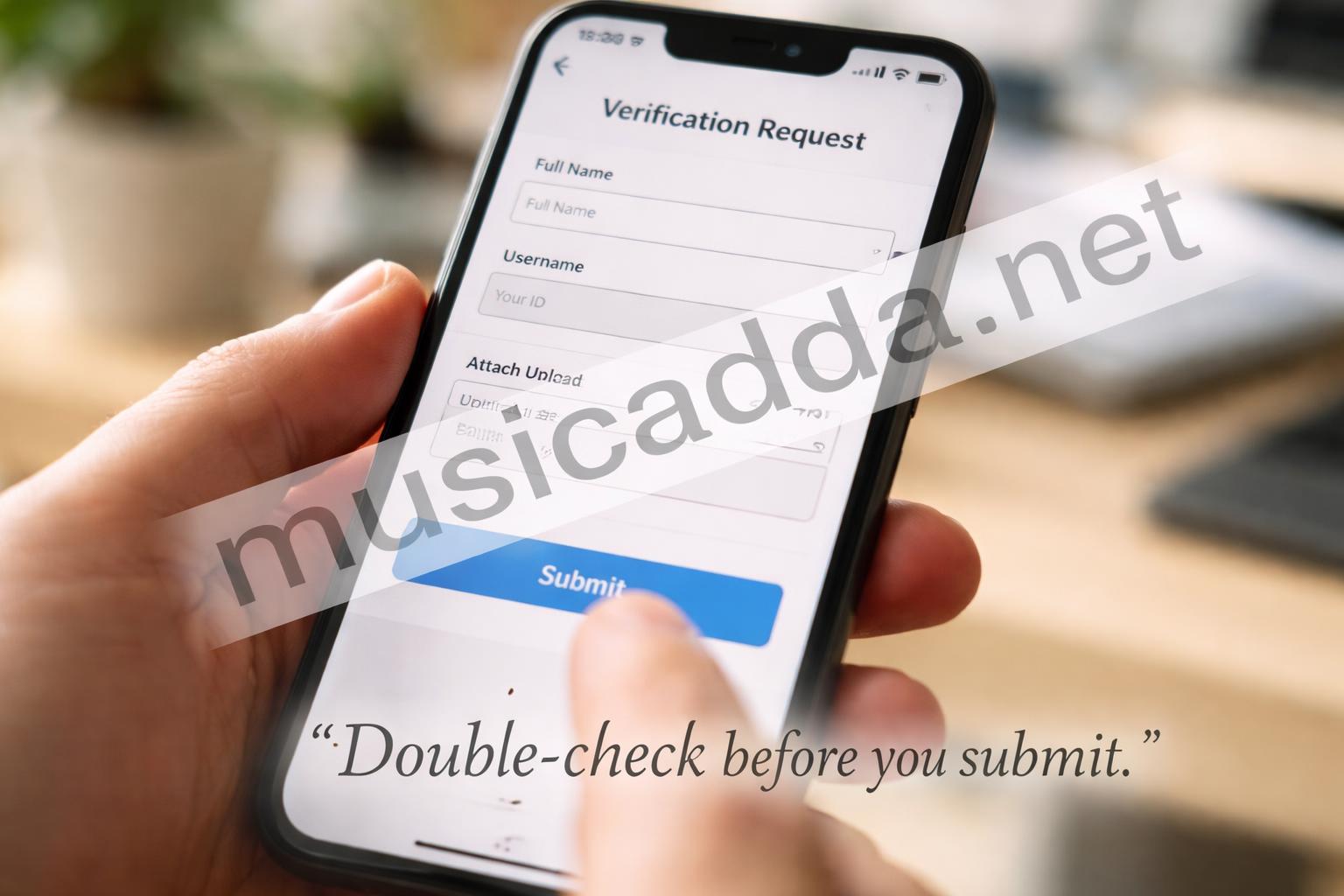
What to double-check before you hit submit
- Your name matches your ID or business documents
- Your account category is correct
- Your username reflects your real identity
- Your public profile is already complete
- Your website and other profiles line up with the same name
This sounds obvious, but mismatched names cause a lot of avoidable problems. If your legal name, brand name, and online identity all point in different directions, Instagram has to work harder to confirm who you are.
That usually makes approval less likely.
What to do if Instagram says no
A rejection doesn’t always mean your account is weak. Sometimes it just means the evidence wasn’t strong enough at the time you applied.
You can usually reapply later, but don’t send the same weak application again and expect a different result. Use the waiting period to fix the parts Instagram probably didn’t like.
My practical reset list after a denial
- Add more public mentions or press
- Improve your bio and profile photo
- Clean up your content consistency
- Link your official site everywhere
- Keep posting like a real active account
Honestly, this is where patience helps. A lot of people want the badge before they’ve built the public proof that supports it. The badge is often the result, not the starting point.
And if you’re a creator trying to present a sharper brand while you wait, even little visual details help. A better Highlight style or cleaner cover set can make your profile feel more established at a glance.

Common mistakes that make approval harder
I’ve seen the same problems come up over and over again.
1. Applying too early
If your account has very little content, no outside mentions, and a half-finished bio, the application is probably too early.
2. Chasing follower myths
Follower count can help with visibility, but it’s not the badge itself. Plenty of accounts with large followings still don’t get verified.
3. Buying fake attention
Fake followers, fake engagement, and fake press can backfire. They don’t build the kind of trust verification needs.
4. Having inconsistent names
If your Instagram name, website, and press mentions all use different spellings, Instagram has to sort that out first.
5. Ignoring your public search results
If someone searches your name and finds nothing reliable, that’s a problem. You want a search trail that points to the same identity.
The lesson here is simple: verification follows clarity. The easier it is for Instagram to confirm who you are, the better your odds.
A smarter way to think about notability
Notability sounds vague, but in practice it just means: can other trusted places confirm you exist?
That could be a newspaper profile, a podcast page, a conference speaker listing, a company directory, or a legitimate website article. You don’t need to be famous in the celebrity sense. You need to be real, visible, and searchable in trustworthy places.
For people who post regularly, even the little things can help shape that public identity. Strong captions, for example, make your posts look more intentional and easier to share. If you want help with that side of your profile, I like this list of best love captions for Instagram posts that get more likes. It’s not about verification directly, but it does help your content feel more polished and consistent.
What counts as useful proof
- Articles from trusted publications
- Official event speaker pages
- Brand partner pages
- Company websites mentioning you
- Directory listings from legitimate organizations
One thing I learned is that a single strong mention can be more helpful than ten weak ones. I’d rather have one clear source with real credibility than a bunch of random pages no one trusts.
How to strengthen your account before the next review
If you’re not verified yet, use the waiting period well. Don’t just post randomly and hope the algorithm fixes everything.
I’d focus on three things: consistency, searchability, and proof.
Consistency
Use the same name, photo, and general identity everywhere. Your Instagram should look like the same person or business people see elsewhere online.
Searchability
Make it easy for people to find you through Google, your website, and other platforms. If search results are a mess, Instagram notices that too.
Proof
Keep collecting legitimate public mentions. One article today can matter more than another month of just posting.
Here’s a simple way to think about it:
| Area | Weak version | Stronger version |
|---|---|---|
| Bio | Vague, generic | Clear identity and role |
| Name | Inconsistent | Matches public sources |
| Profile photo | Blurry or random | Clean and recognizable |
| Public mentions | None or shady | Legitimate and searchable |
| Content | Infrequent | Regular and coherent |
If you’re a creator, a business, or a public figure
The path to verification changes a little depending on who you are.
For creators, the hardest part is often proving public recognition outside Instagram. A great audience helps, but Instagram still wants evidence from credible third-party sources.
For businesses, the process is often easier when the website, email domain, and social profiles all match. A clear official presence goes a long way.
For public figures, news coverage and official references usually matter most. That’s where the public-facing trail becomes really important.
Small differences that matter
- Creators need visible media or public mentions.
- Businesses need clean branding across channels.
- Public figures need verifiable coverage from trusted sources.
So the strategy should match the identity. One size doesn’t fit all here.
A few signs you’re probably ready
You don’t need to be perfect before you apply. But you should see a few of these signs first:
- People can find you outside Instagram
- Your account looks complete
- Your identity is consistent across platforms
- You have credible mentions or press
- Your profile doesn’t look abandoned
If those boxes are checked, you’re in a much better spot than someone relying on luck.
That’s the part I wish more people understood: verification is mostly about preparing a profile that already looks like the real source of truth.
Final thoughts
If I had to reduce the whole process to one habit, it would be this: make your identity easy to confirm before you ask Instagram to confirm it. That mindset saves a lot of frustration.
The blue check is nice, but the real win is having a profile that feels solid, searchable, and believable even without it. That’s what Instagram is responding to, and honestly, that’s what people trust too.
Save This Guide on Pinterest
Save this image to Pinterest so you can easily return to this guide later.